
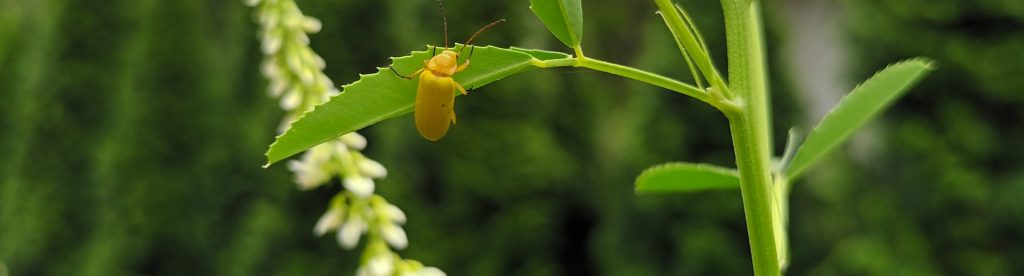
Eine Beschreibung dieser Arten sowie die Darstellung weiterer wird noch erfolgen.
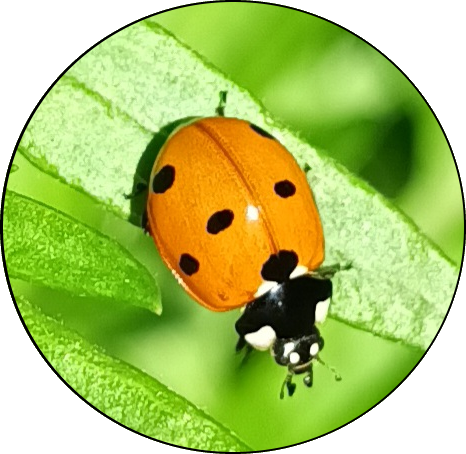
Siebenpunkt-Marienkäfer (Coccinella septempunctata)
Fotos: Thomas Rothe
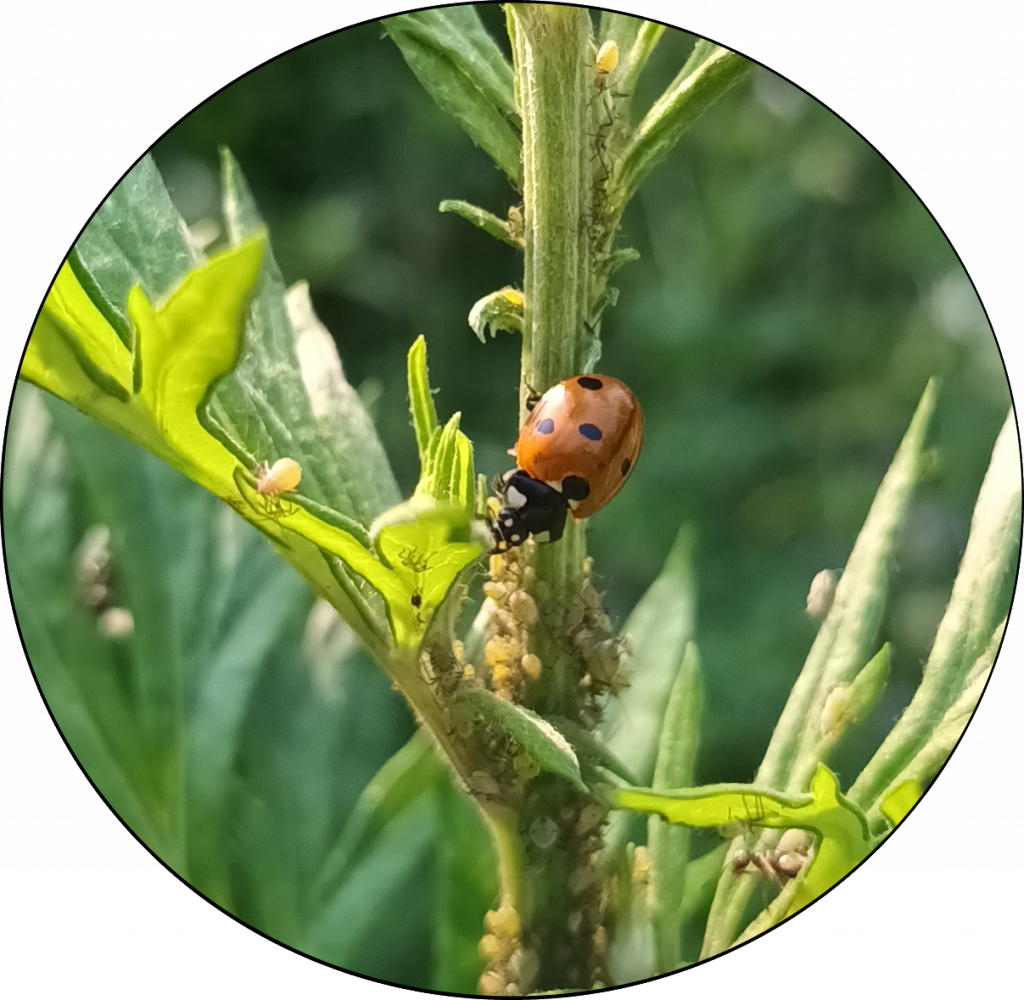
Gestreifter Kiefern-Zwergmarienkäfer (Scymnus suturalis)
Foto: Thomas Rothe
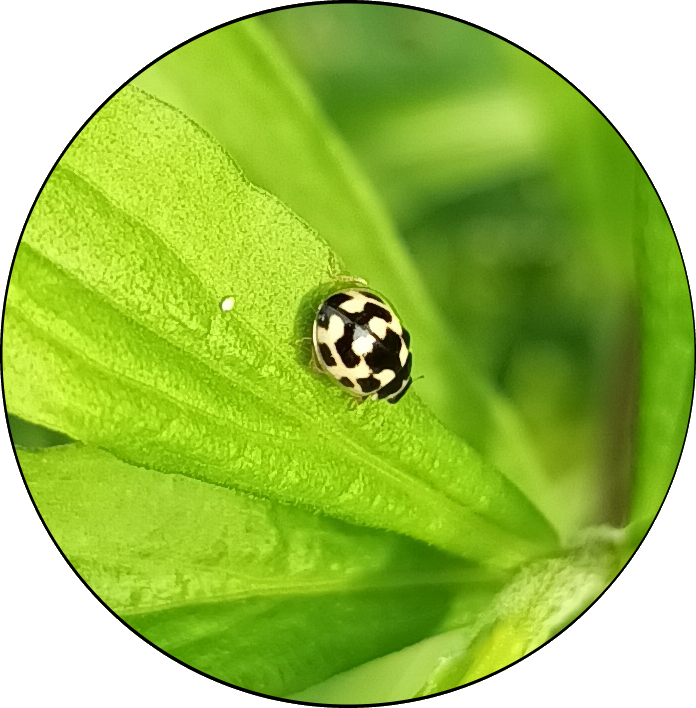
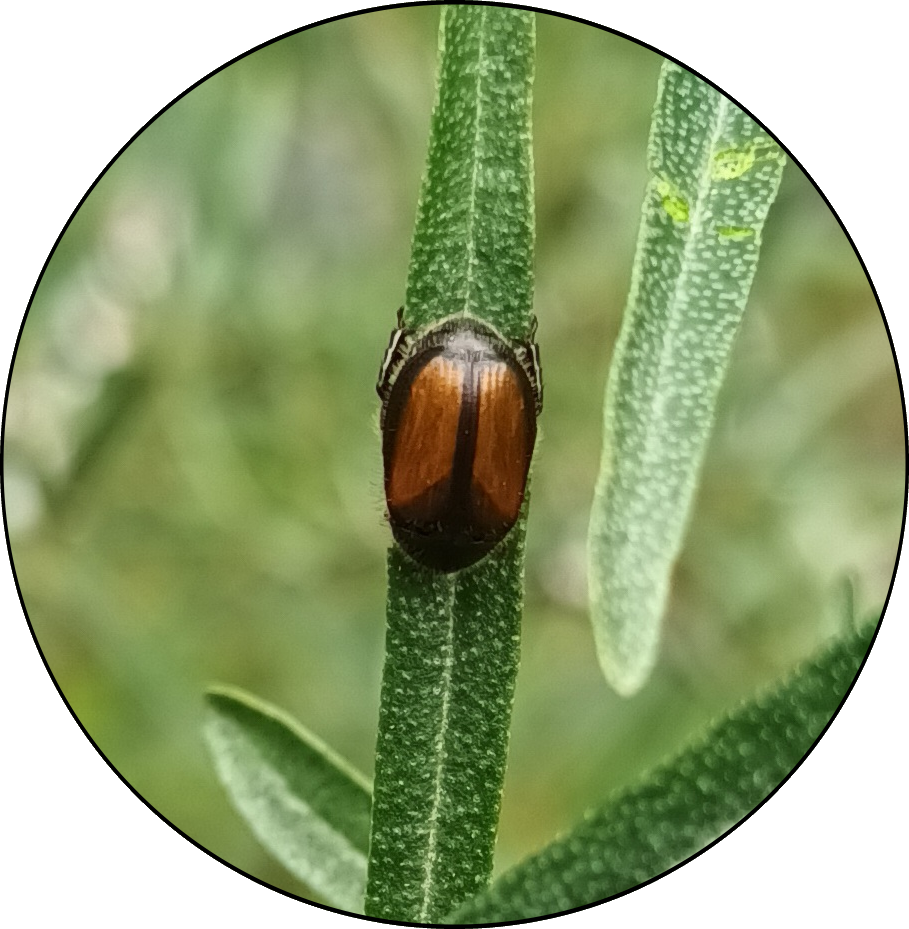
Schachbrett-Marienkäfer, auch: Vierzehnpunkt-Marienkäfer (Propylea quatuordecimpunctata)
Foto: Thomas Rothe
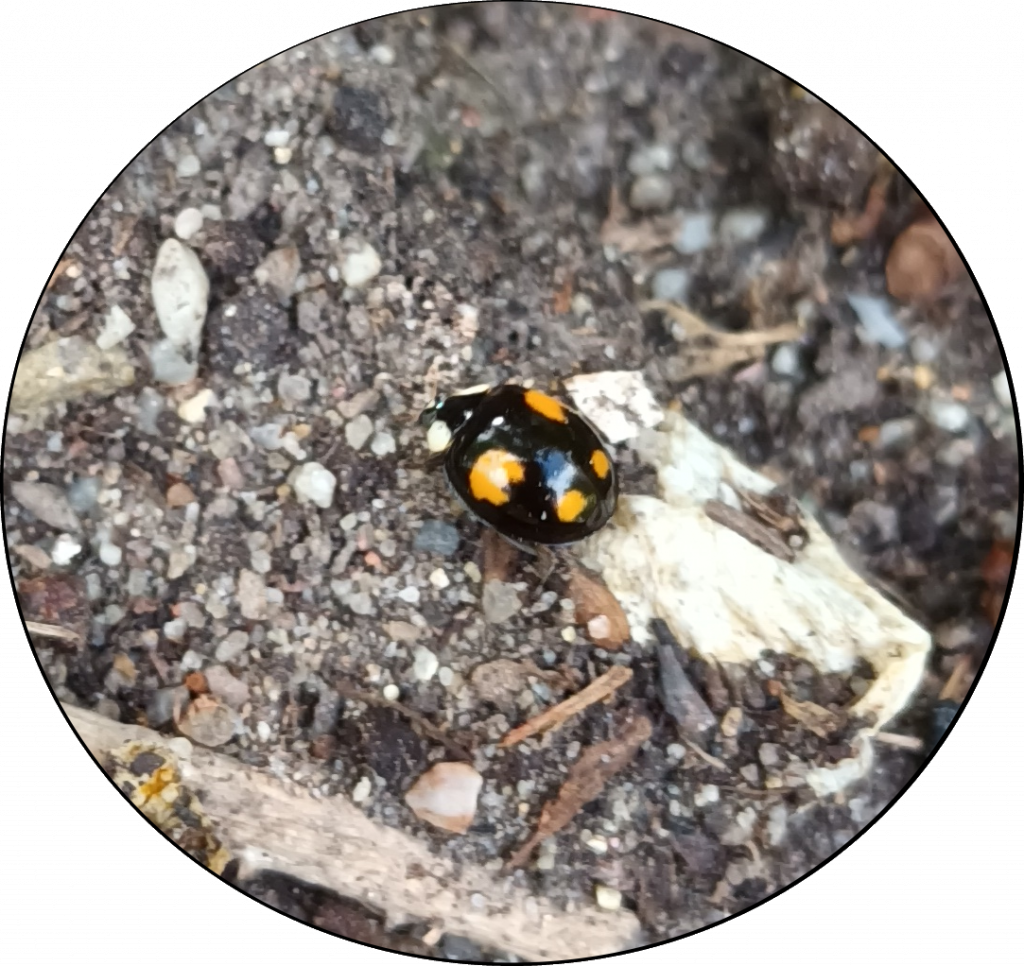
Asiatischer Marienkäfer (Harmonia axyridis)
Das hier dargestellte Tier verkörpert eine der zahlreichen Farbvarianten dieser Art.
Foto: Thomas Rothe
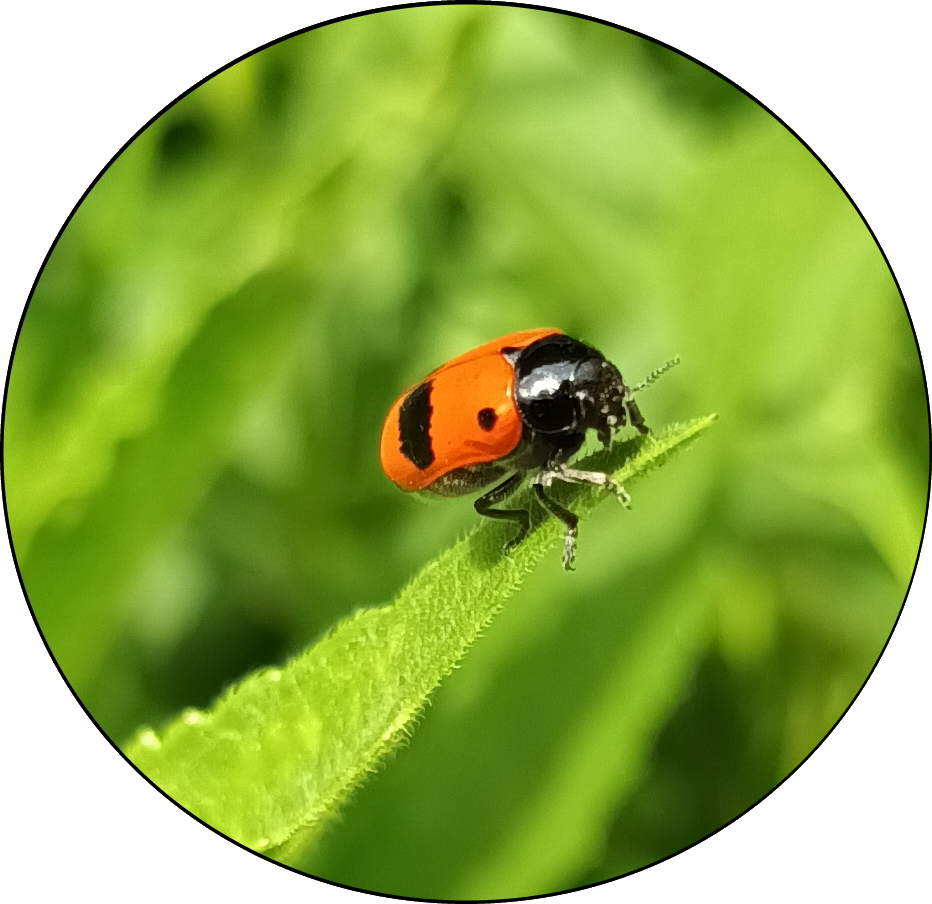
Ameisensackkäfer (Clytra laeviuscula)
Foto: Thomas Rothe
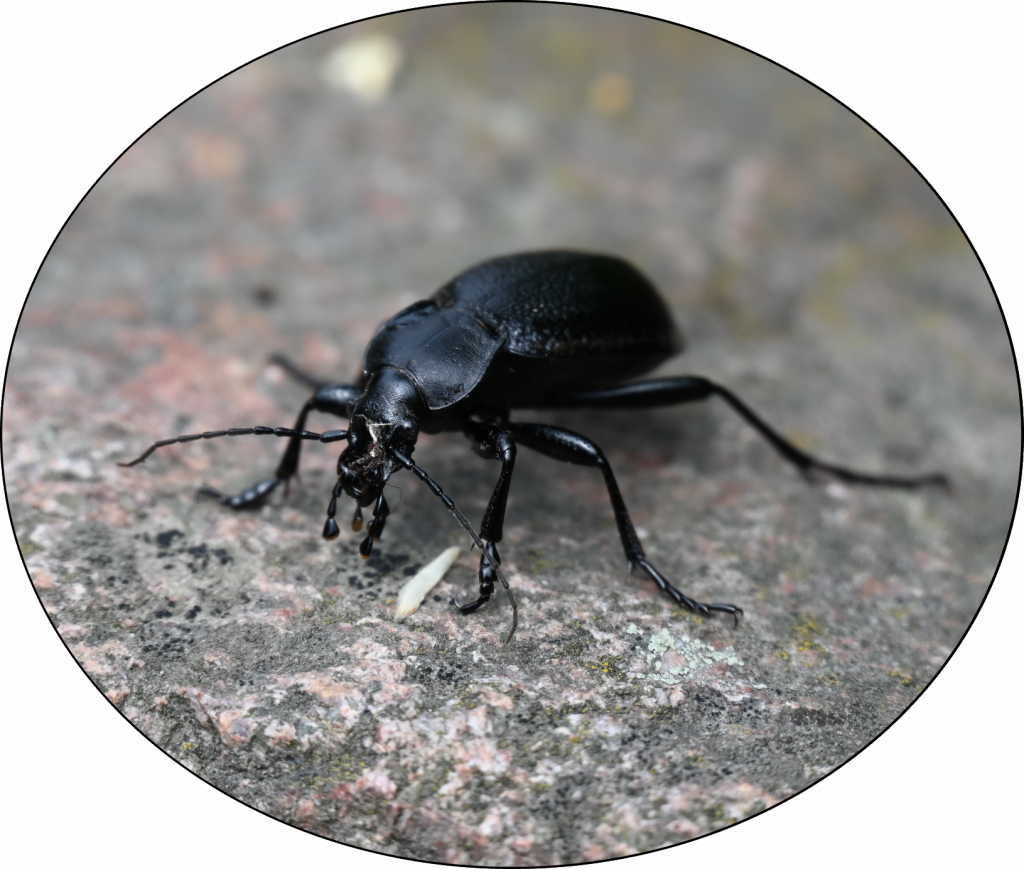
Lederlaufkäfer (Carabus coriaceus)
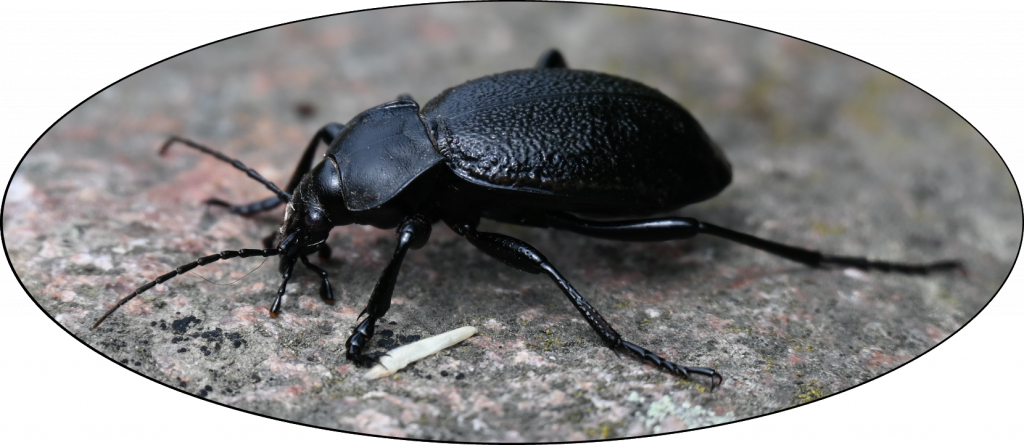
Fotos: Michael Rothe
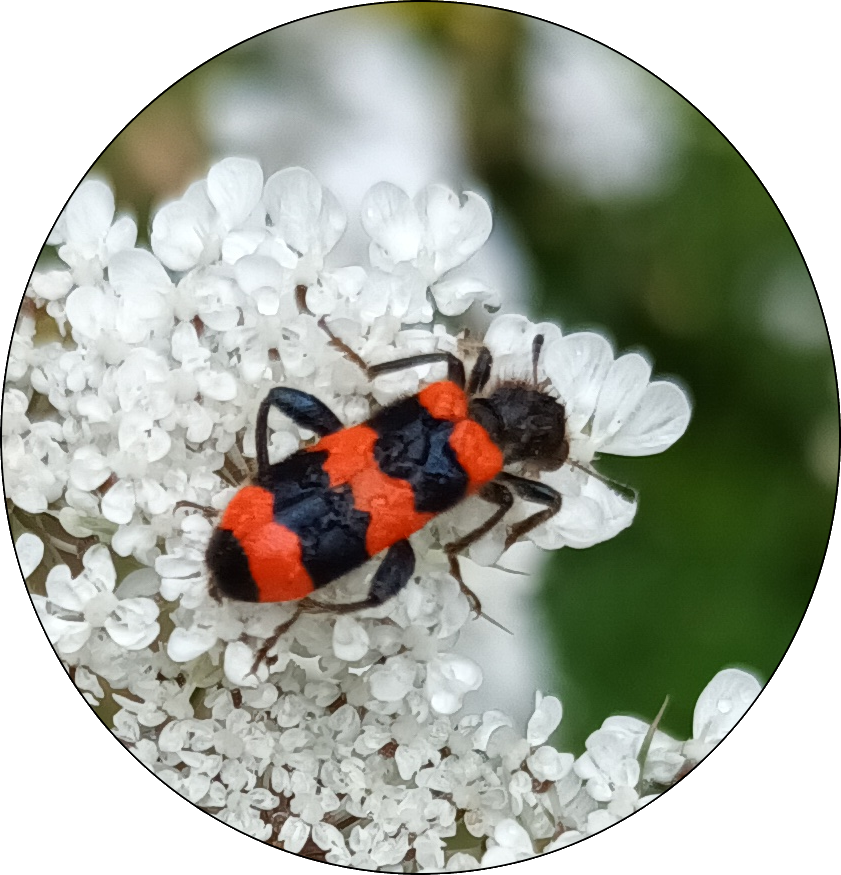
Gemeiner Bienenkäfer/Bienenwolf (Trichodes apiarius)
Foto links: Thomas Rothe


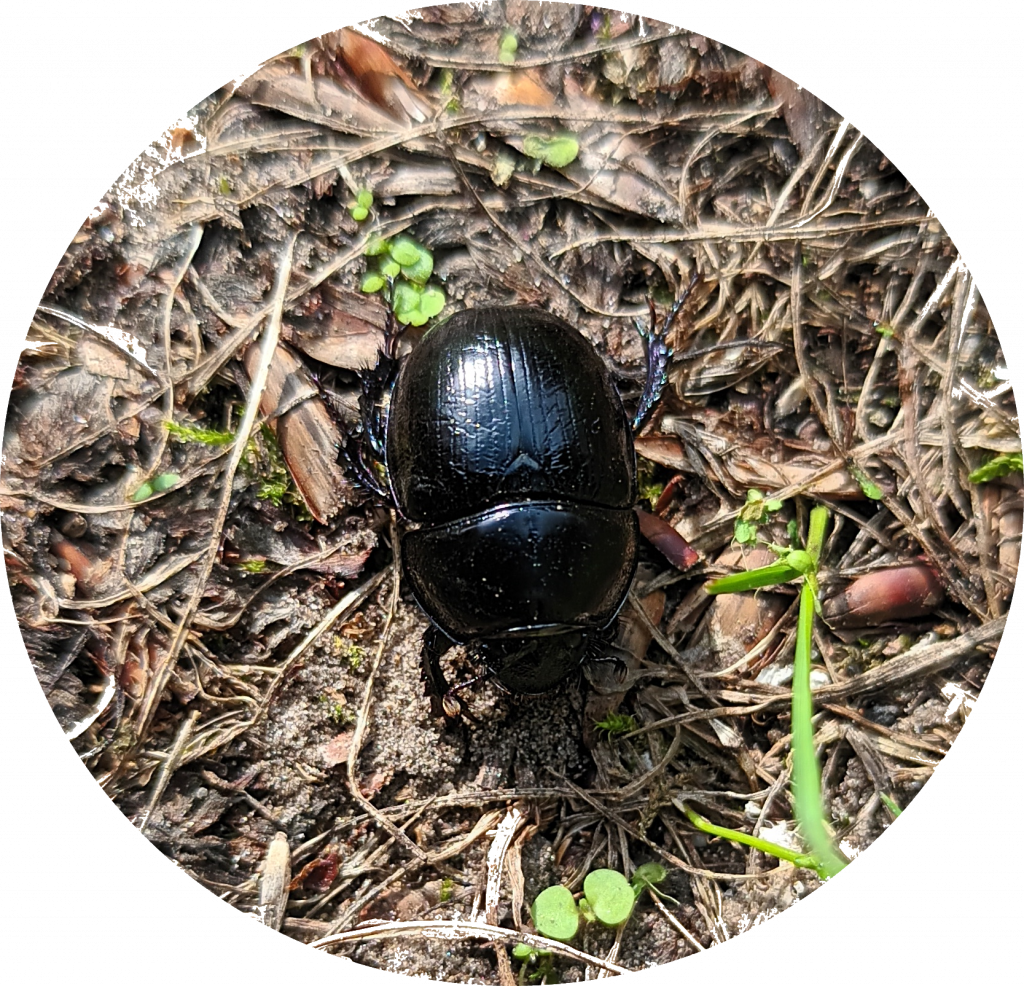
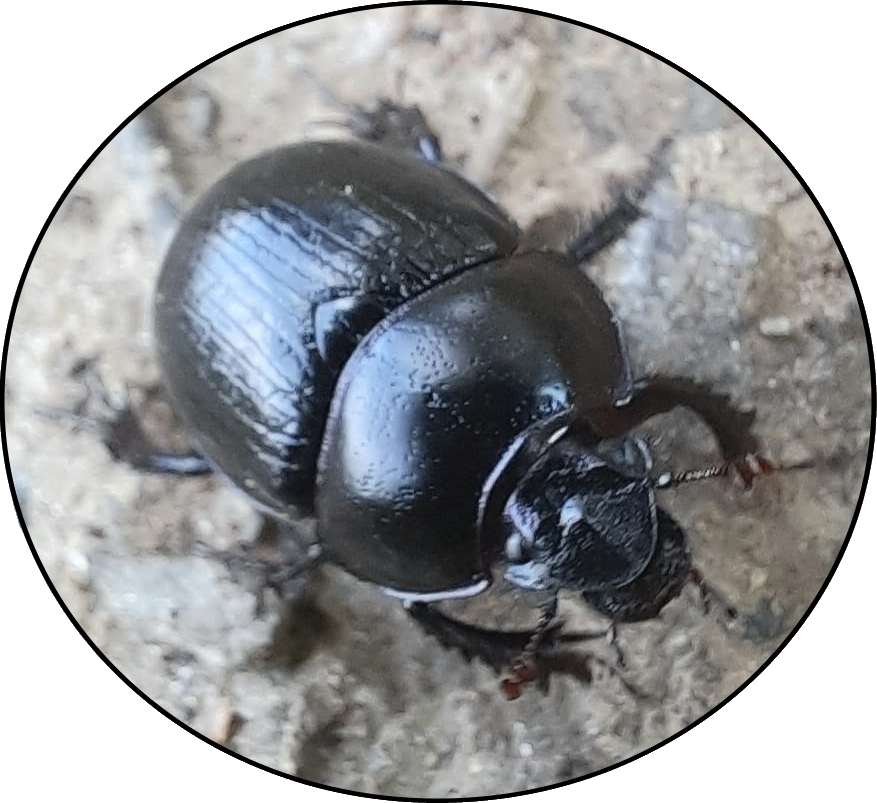
Waldmistkäfer (Anoplotrupes stercorosus)
Foto links: Thomas Rothe
Foto rechts: Katrin Rohmann
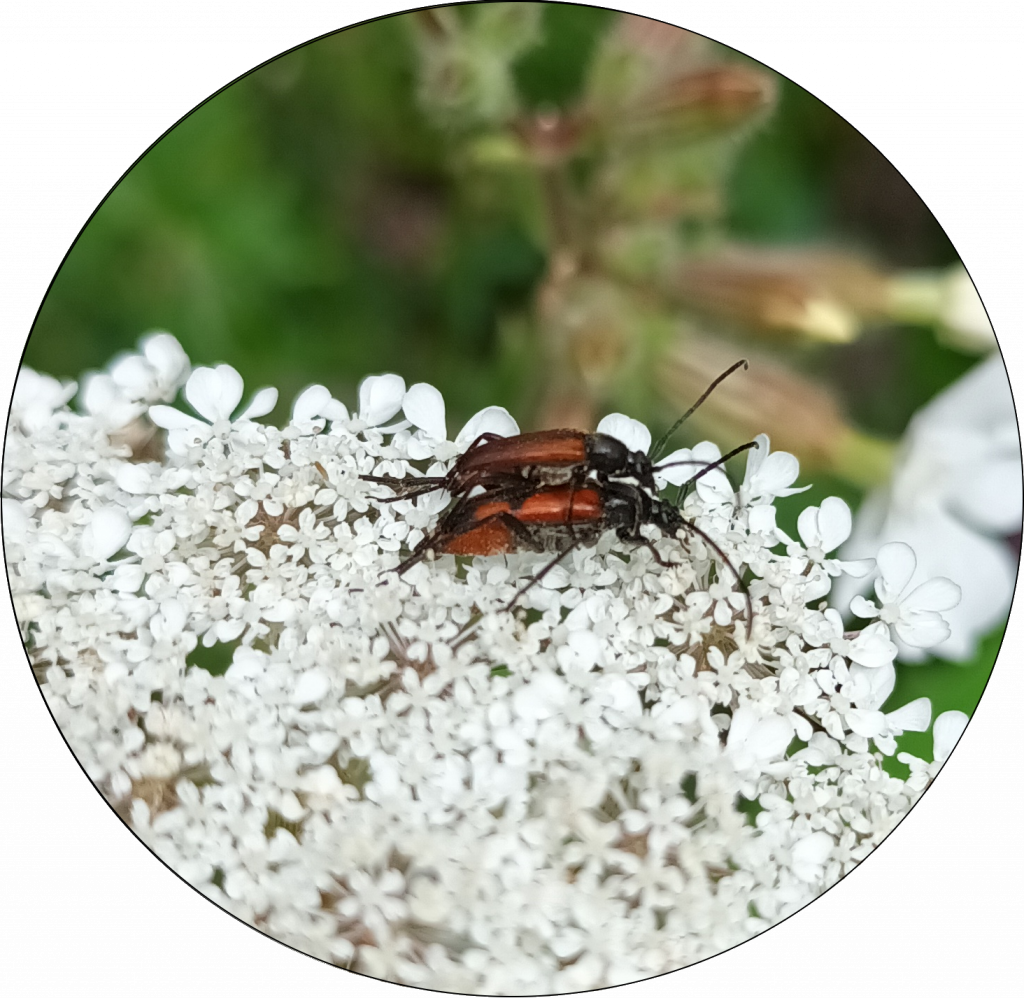
Kleiner Schmalbock (Stenurella melanura)
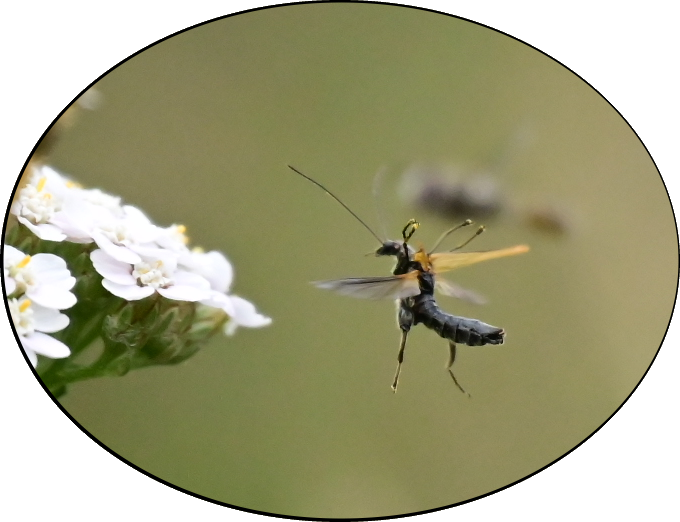
Foto links: Thomas Rothe


Vierbindiger Schmalbock (Leptura quadrifasciata)

Fotos: Katrin Rohmann
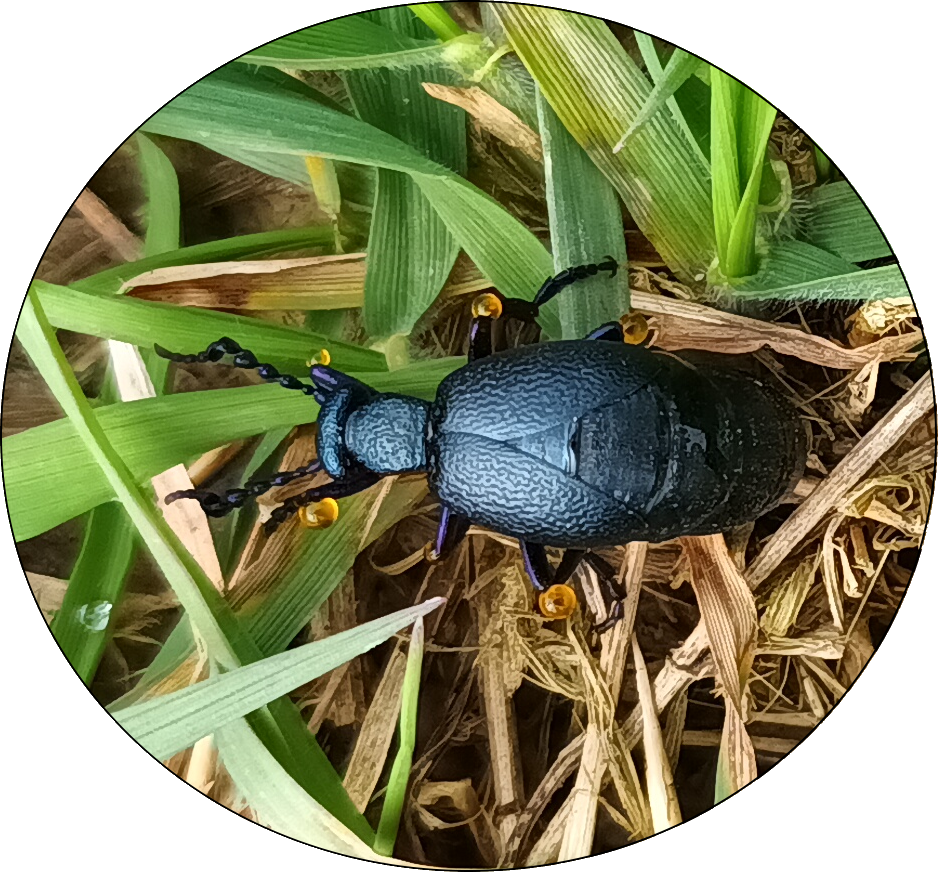
Schwarzer Maiwurm, auch: Schwarzblauer Ölkäfer (Meloe proscarabaeus)
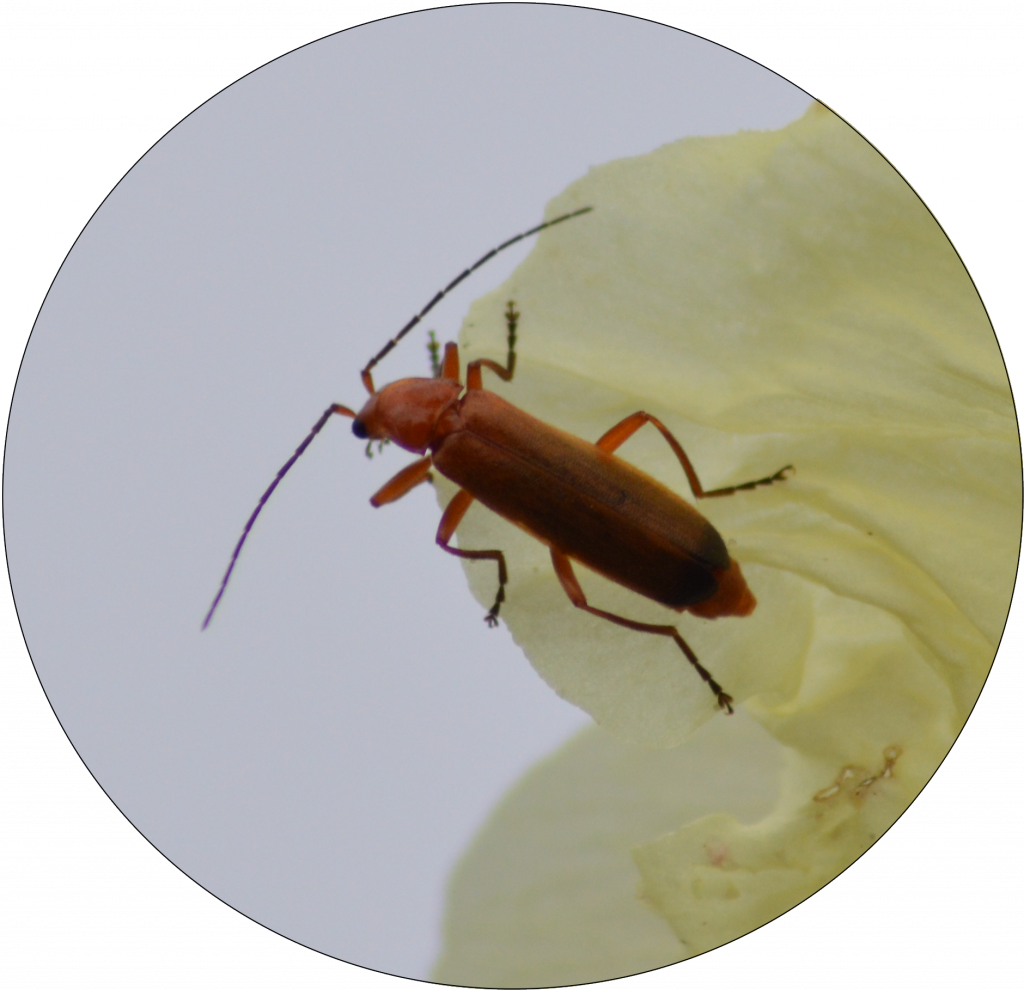
Rotgelber Weichkäfer (Rhagonycha fulva)

Fotos: Katrin Rohmann

Gemeiner Weichkäfer (Cantharis fusca)

Fotos: Thomas Rothe
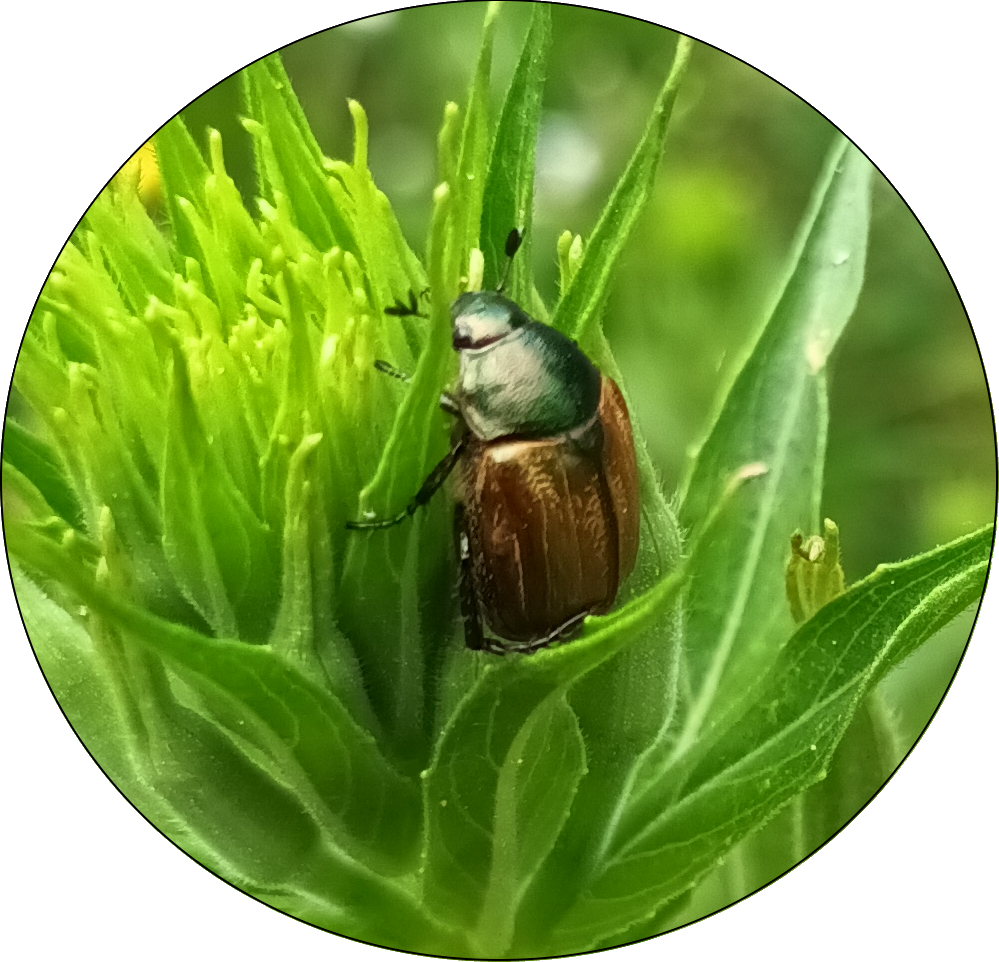
Gartenlaubkäfer (Phyllopertha horticola)
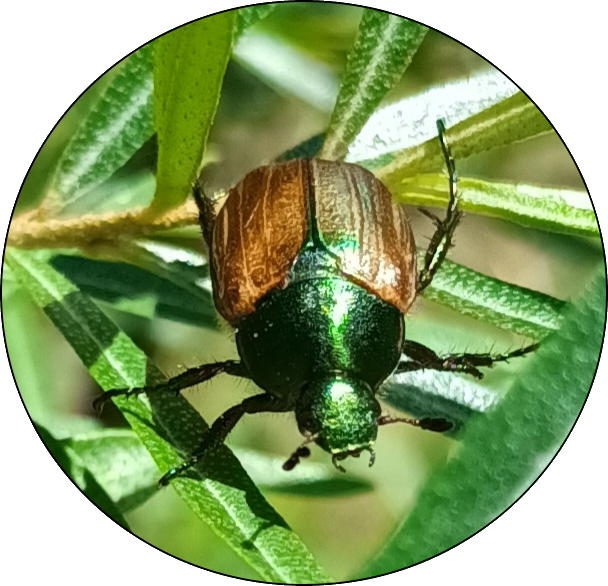
Fotos: Thomas Rothe
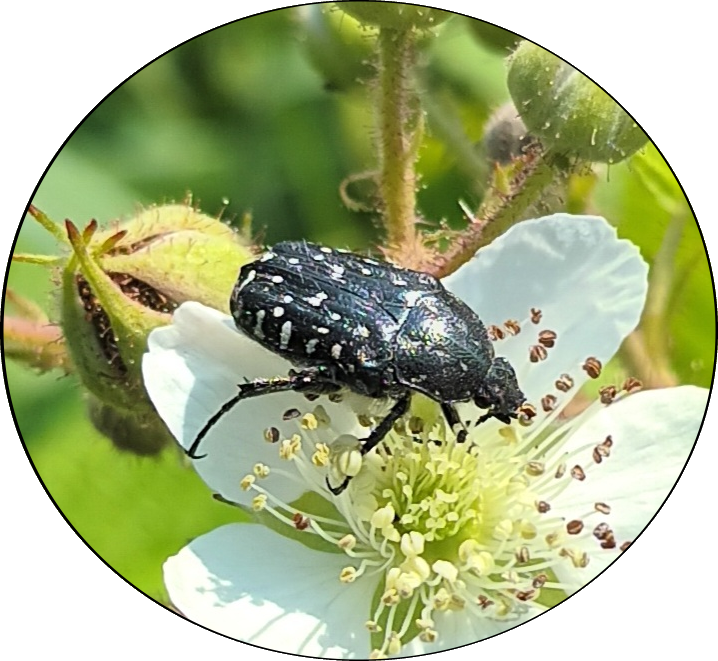
Trauer-Rosenkäfer (Oxythyrea funesta)
Foto: Thomas Rothe
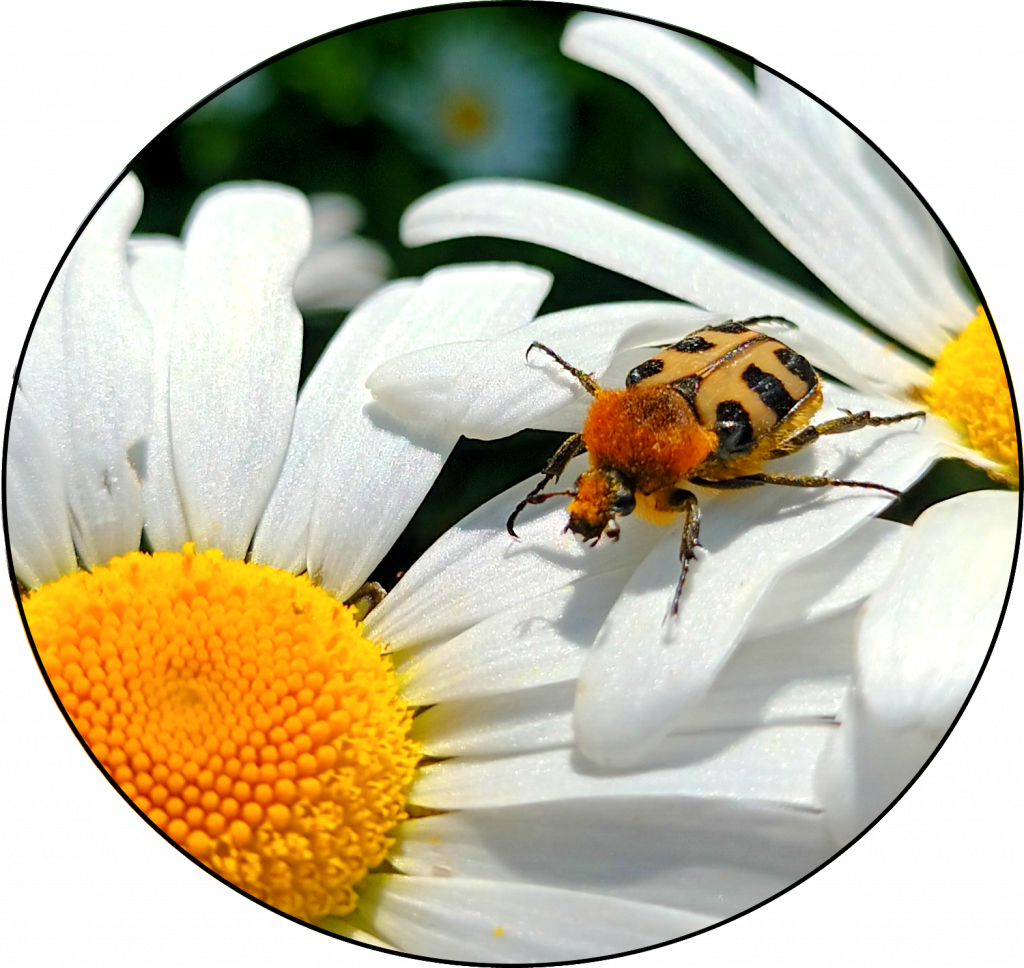
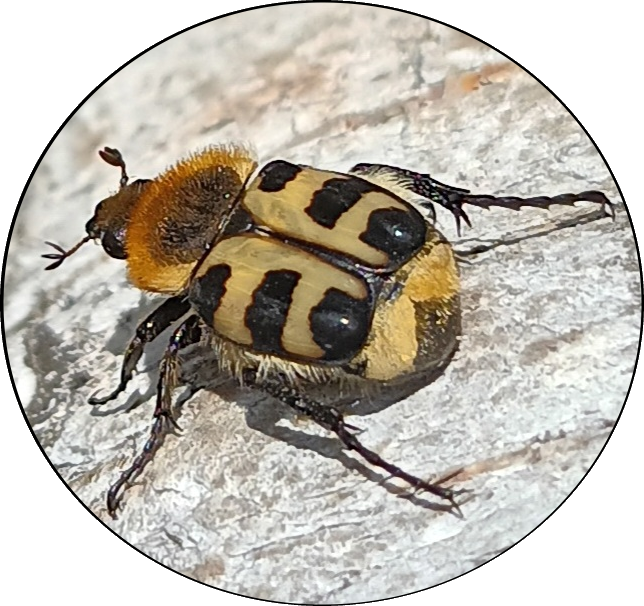
Glattschieniger Pinselkäfer (Trichius gallicus)
Foto Käfer auf Blüte: Thomas Rothe
Foto Käfer auf Birkenstamm: Thomas Rothe
Rothalsbock (Stictoleptura rubra)
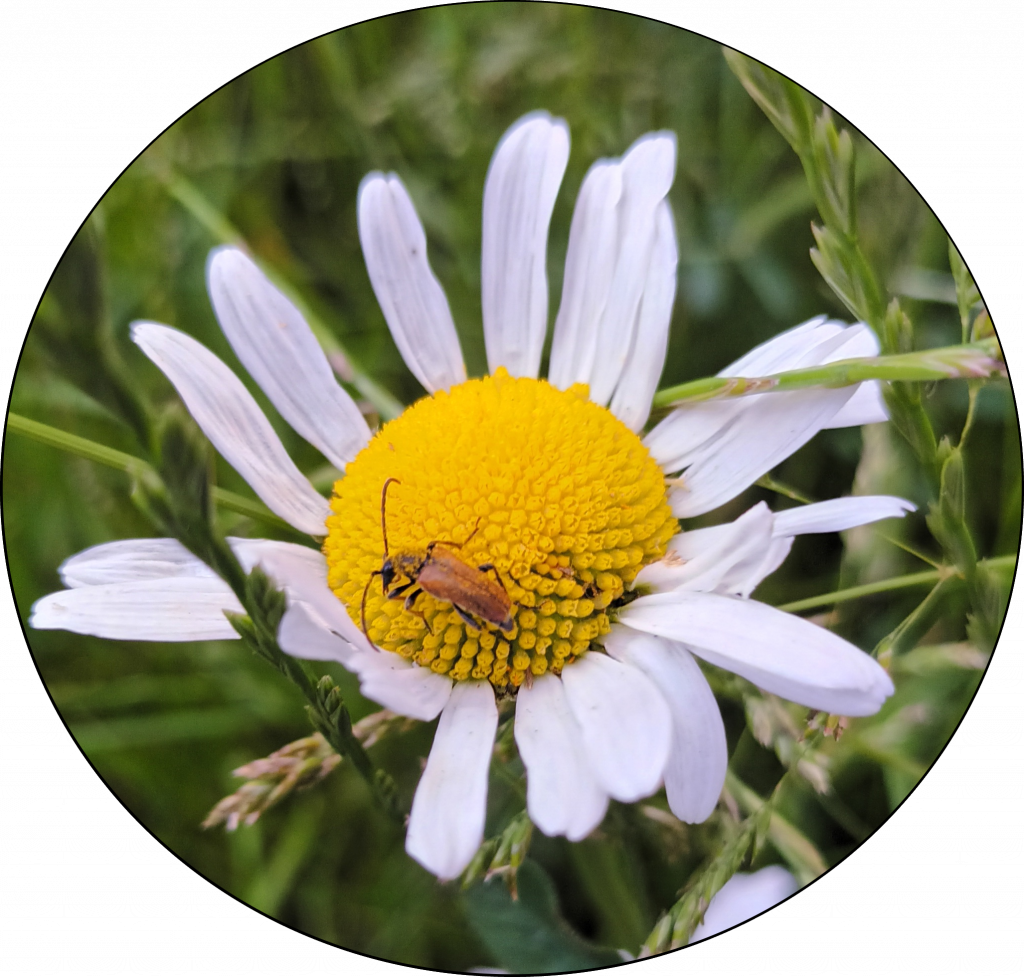
Foto : Thomas Rothe
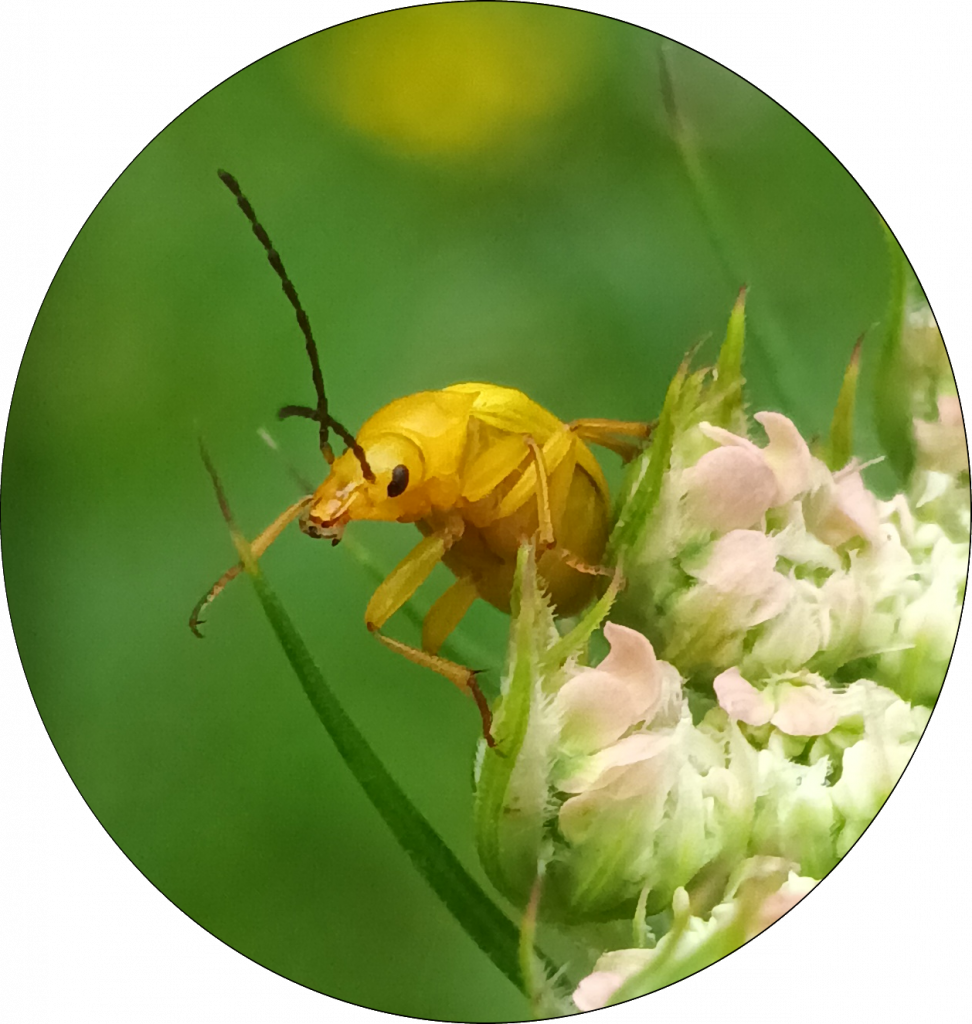
Schwefelkäfer (Cteniopus sulphureus)
Vielen Dank für den Hinweis zur korrekten Artbezeichnung!
Foto: Thomas Rothe

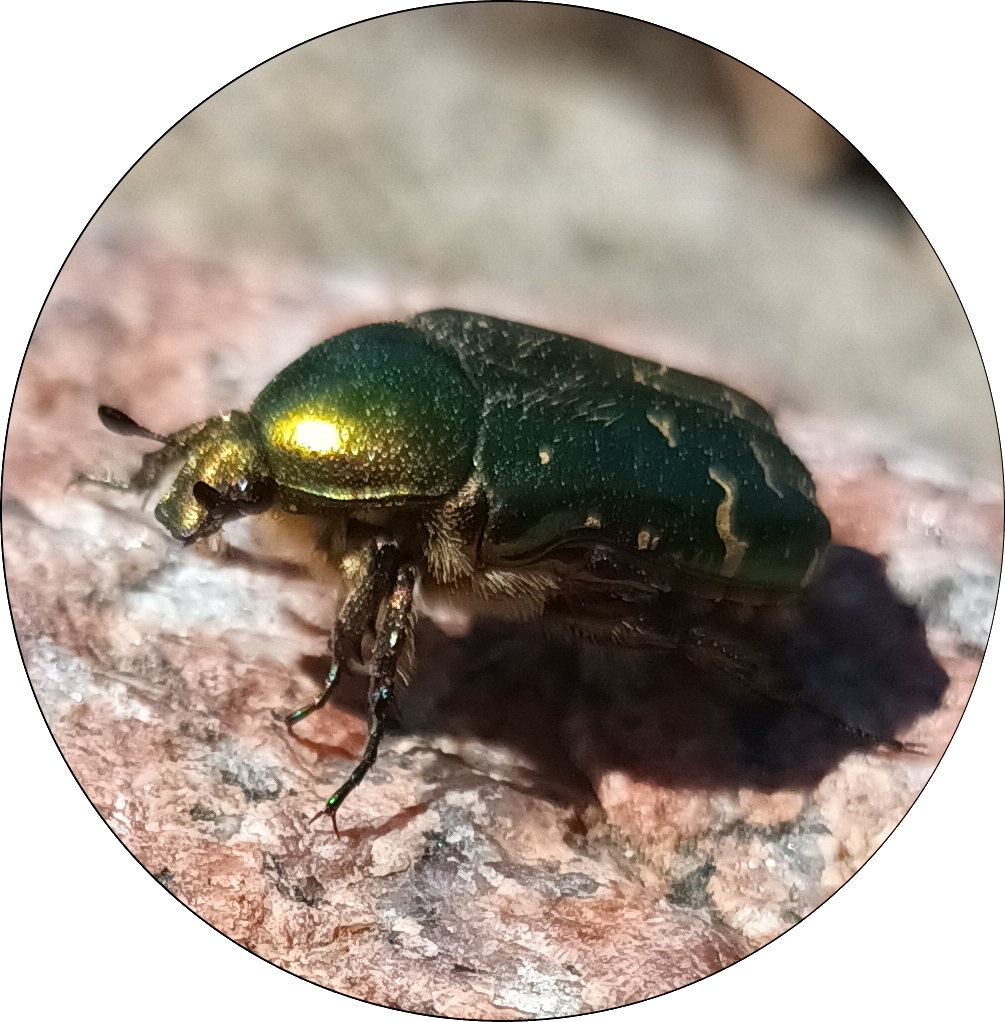
Goldglänzender Rosenkäfer (Cetonia aurata)
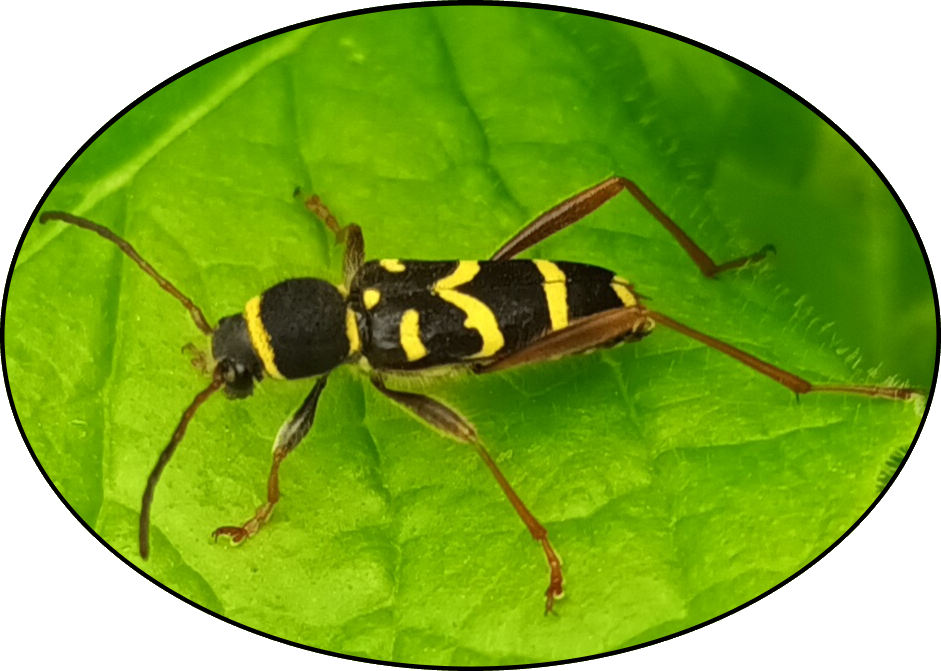
Echter Widderbock, auch: Wespenbock (Clytus arietis)
Foto: Thomas Rothe
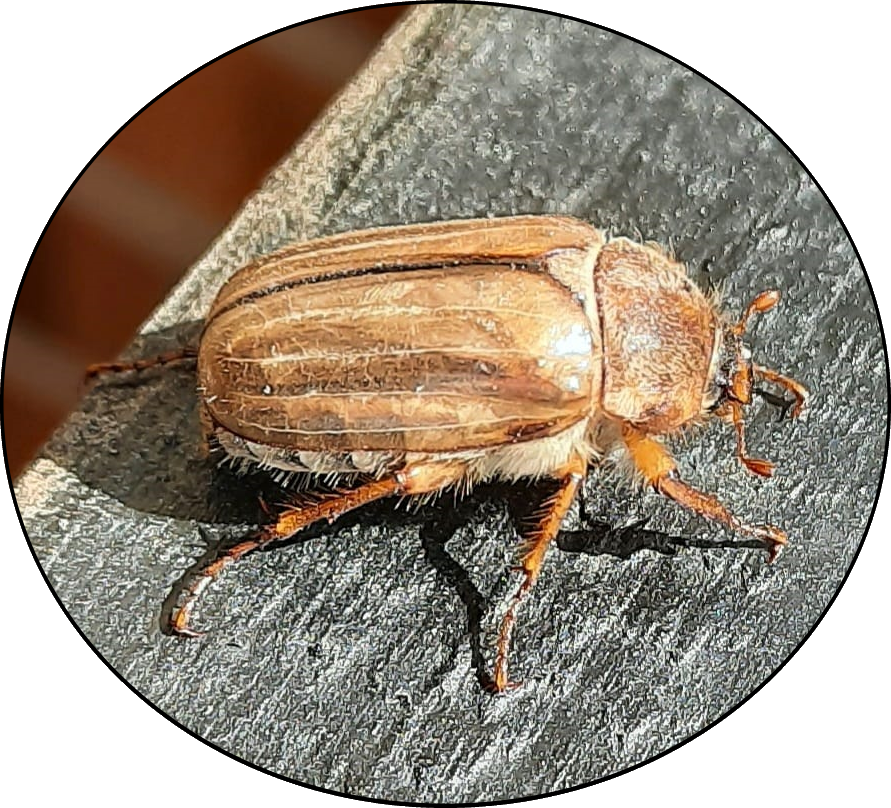
Gerippter Brachkäfer, auch: Junikäfer (Amphimallon solstitiale)
Foto: Katrin Rohmann
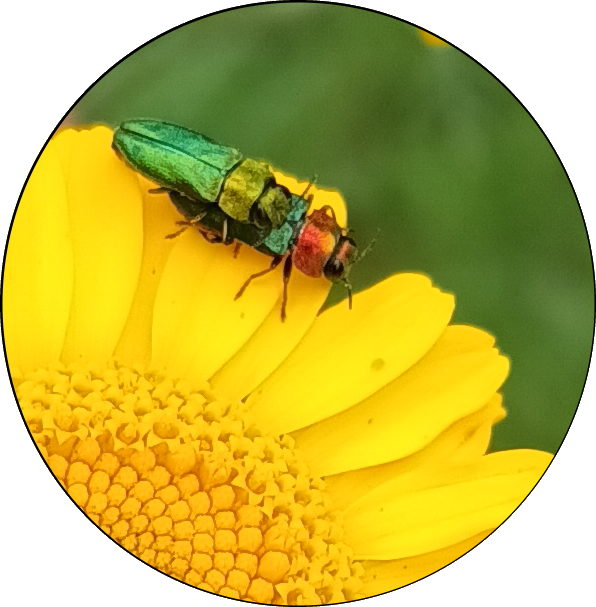
Glänzender Blütenprachtkäfer (Anthaxia nitidula)
Fotos: Thomas Rothe
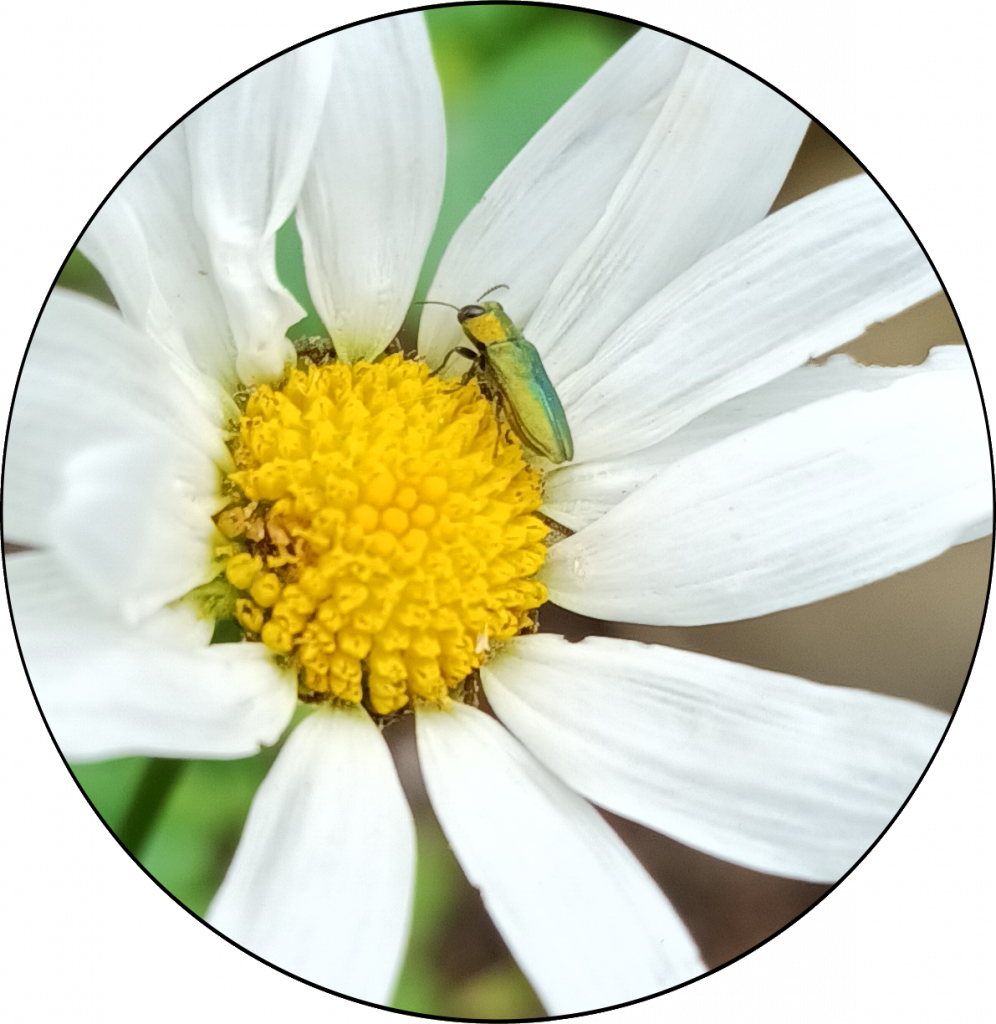

Erzfarbener Nadelholz-Prachtkäfer (Buprestis haemorrhoidalis)
Fotos: Katrin Rohmann


Vierpunktiger Kiefernprachtkäfer (Anthaxia quadripunctata)???

Fotos: Thomas Rothe
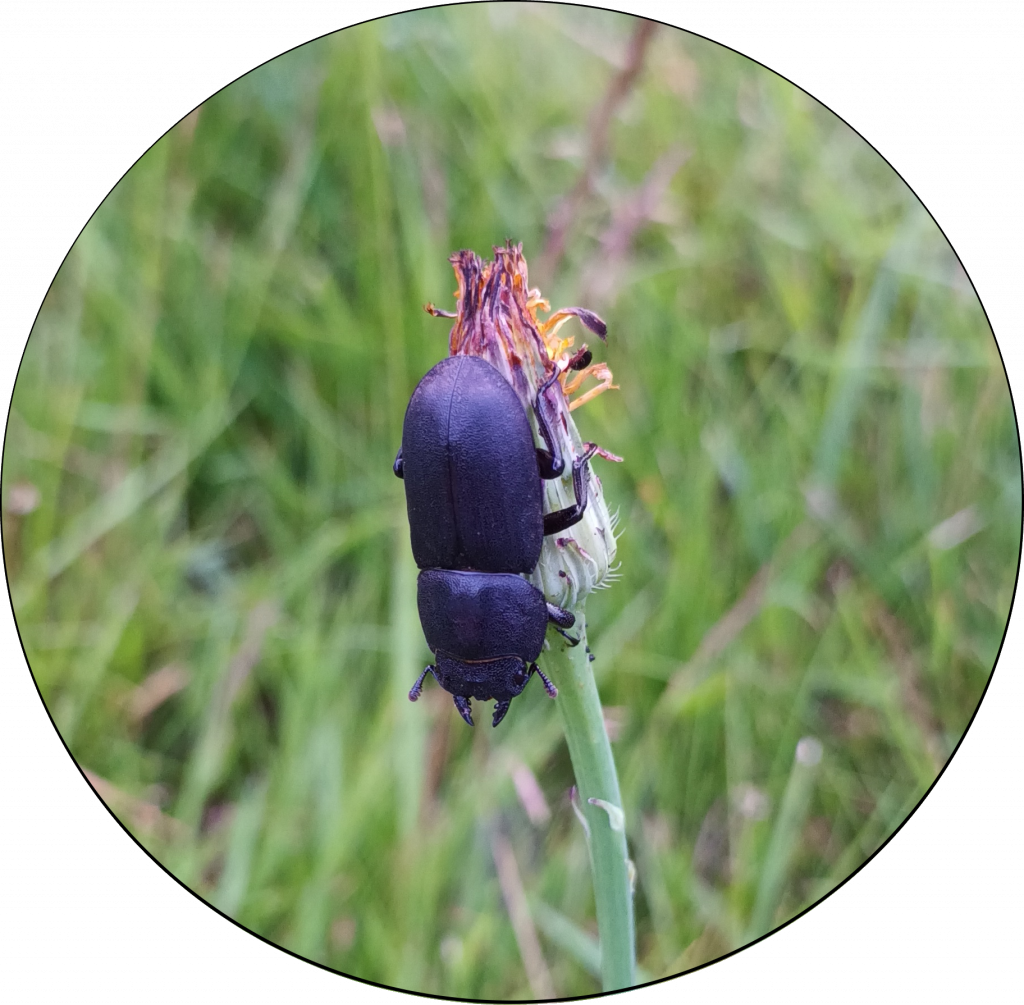
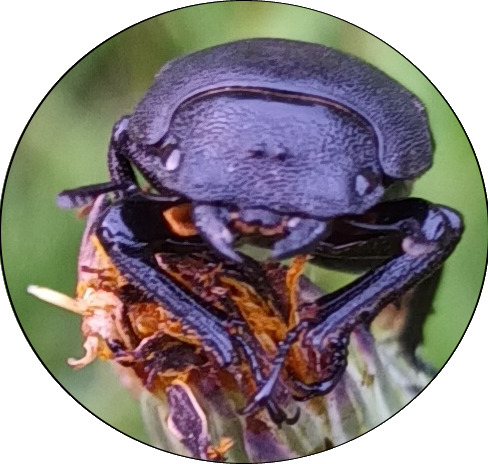
Balkenschröter, auch: Zwerghirschkäfer (Dorcus parallelipipedus)
Fotos: Thomas Rothe
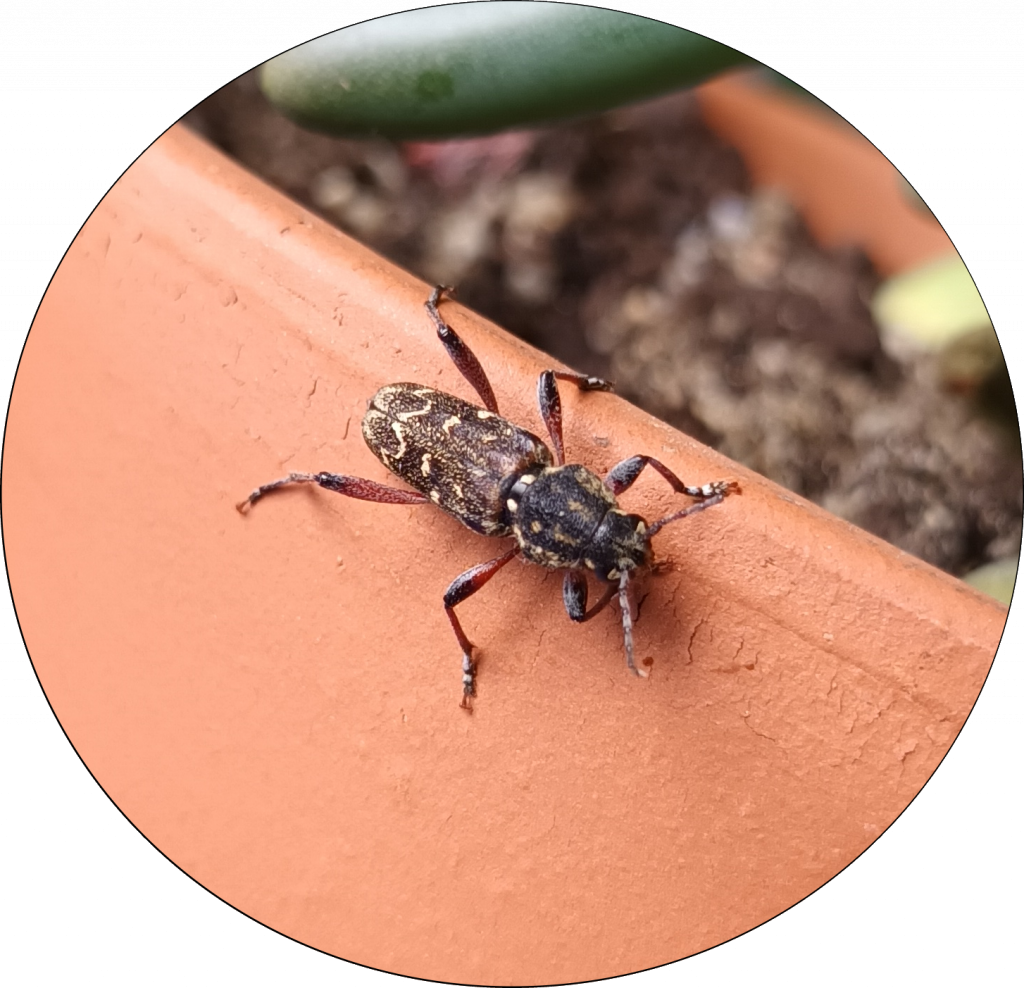
Dunkler Holzklafterbock (Xylotrechus rusticus)
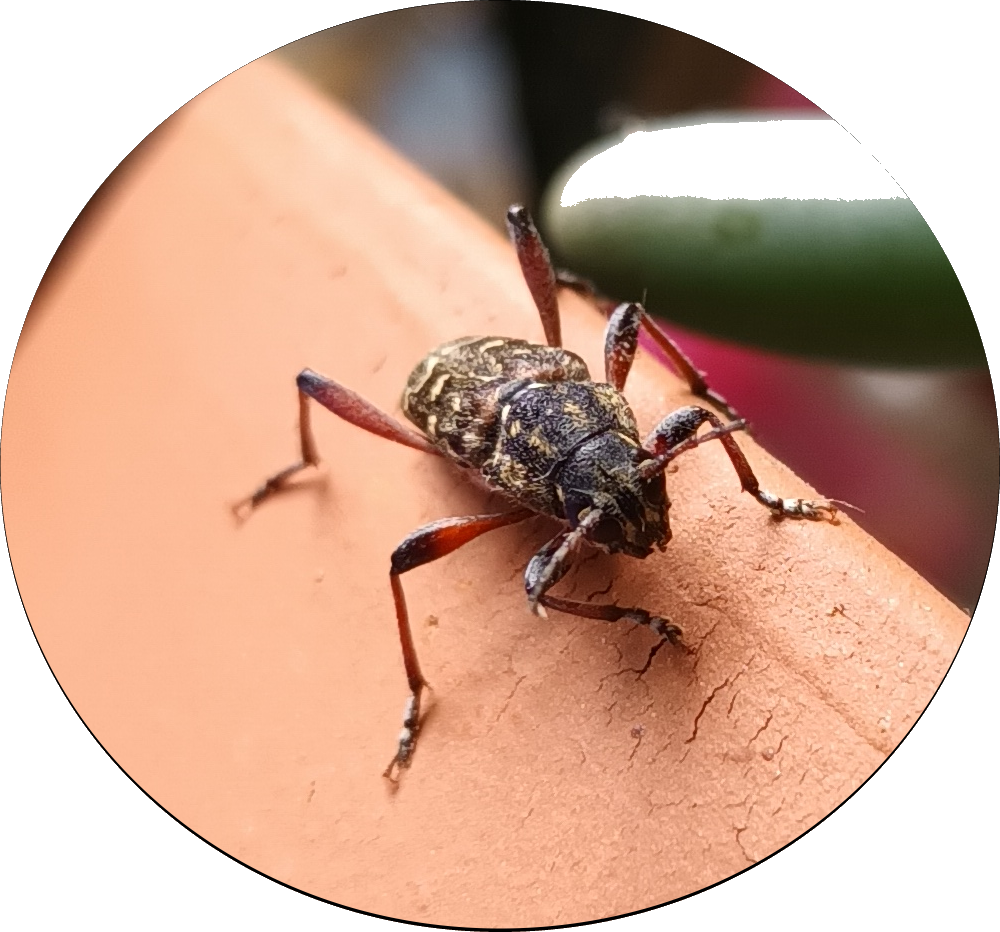
Fotos: Thomas Rothe
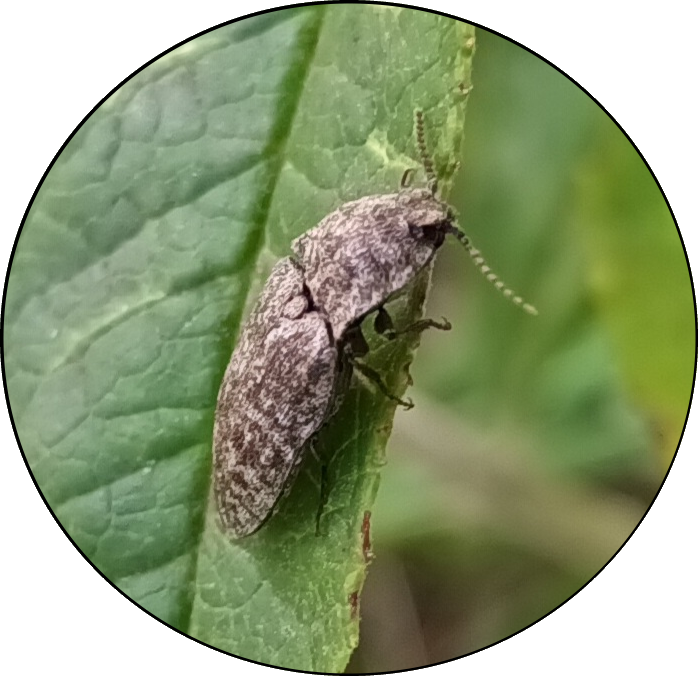
Mausgrauer Schnellkäfer (Agrypnus murinus)
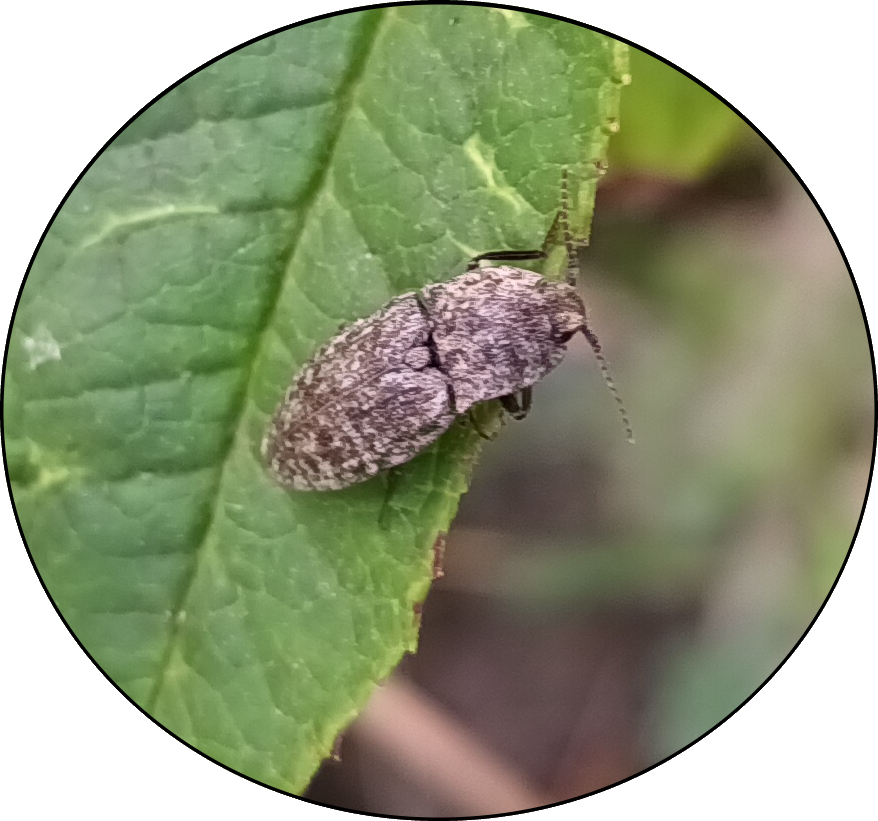
Fotos: Thomas Rothe

Blutroter Schnellkäfer (Ampedus sanguineus)
Fotos: Katrin Rohmann


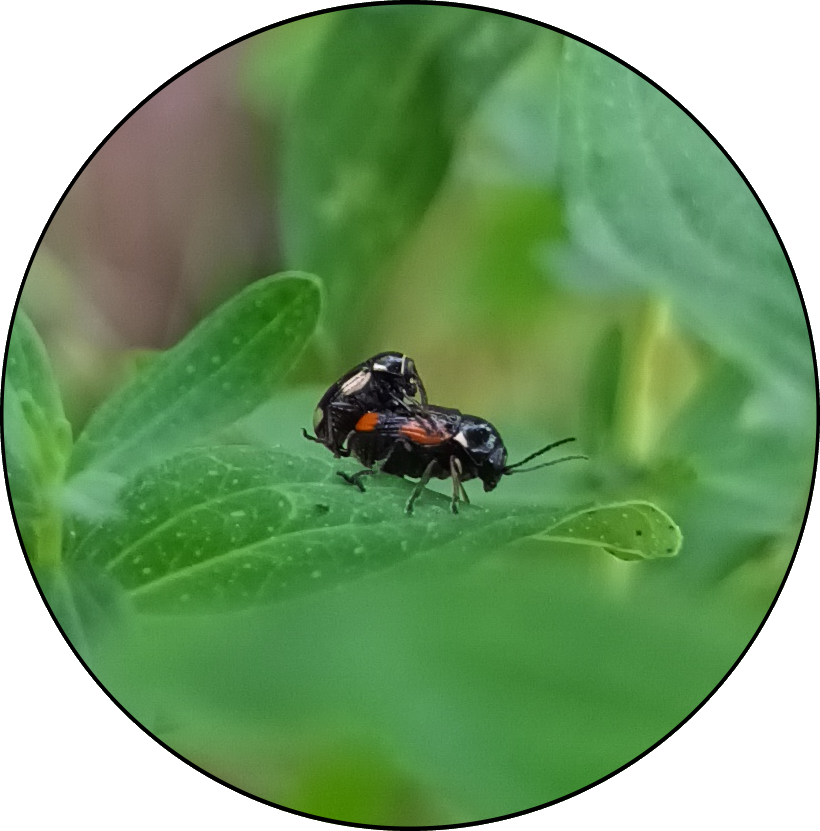
Cryptocephalus octoguttatus ?
Foto: Thomas Rothe

Kartoffelkäfer (Leptinotarsa decemlineata)
Foto: Thomas Rothe
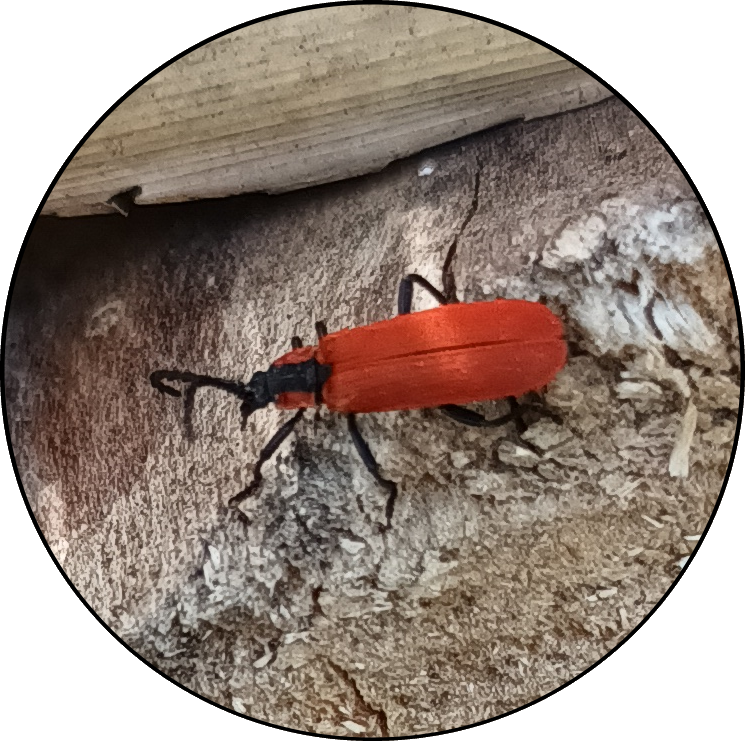
Rüssel-Rotdeckenkäfer (Lygistopterus sanguineus)
Fotos: Thomas Rothe
Rechts dessen Larve, welche für ihre Entwicklung mehrere Jahre benötigt. Sie ernährt sich im Gegensatz zum ausgewachsenen Tier, welches Pollen frisst, räuberisch und hält sich in morschem Holz auf.
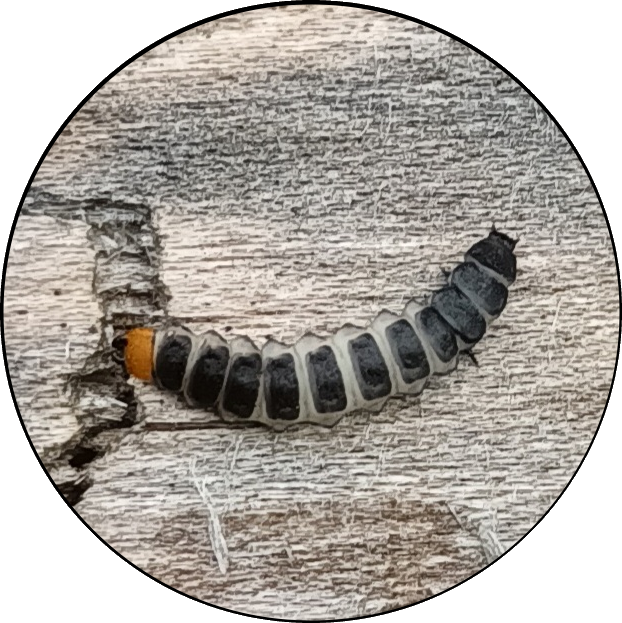

Rainfarn-Blattkäfer (Galeruca tanaceti)
Foto: Katrin Rohmann

Vertreter der Gattung Grünrüssler (Phyllobius)
Foto: Thomas Rothe

Vertreter der Gattung Dickmaulrüssler (Otiorhynchus)
Foto: Katrin Rohmann
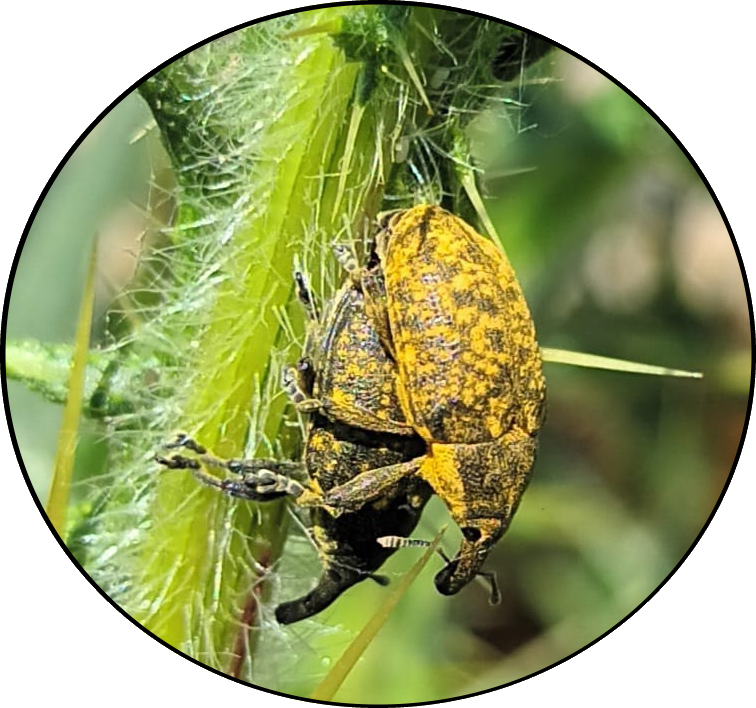
Kratzdistelrüssler (Larinus turbinatus)
Foto: Thomas Rothe

Vertreter der Familie Scheinbockkäfer (Oedemeridae)
Foto: Thomas Rothe
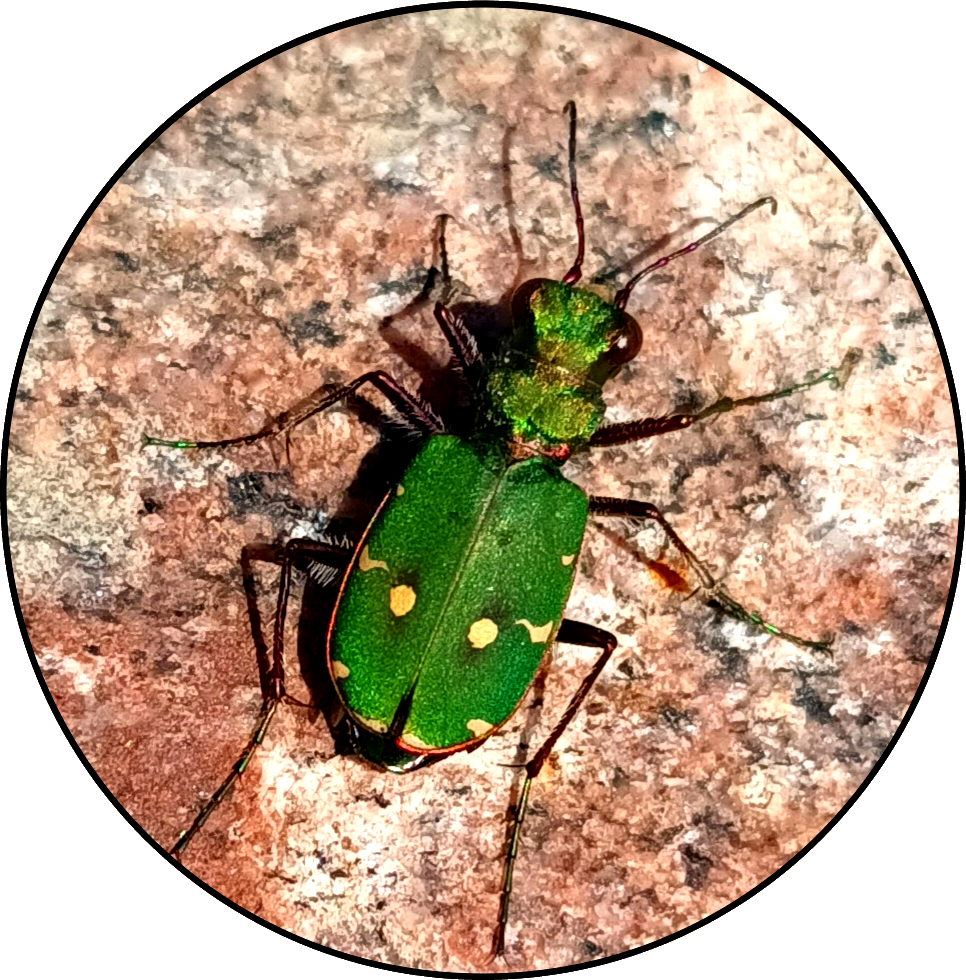
Feldsandläufer (Cicindela campestris)
Foto: Thomas Rothe
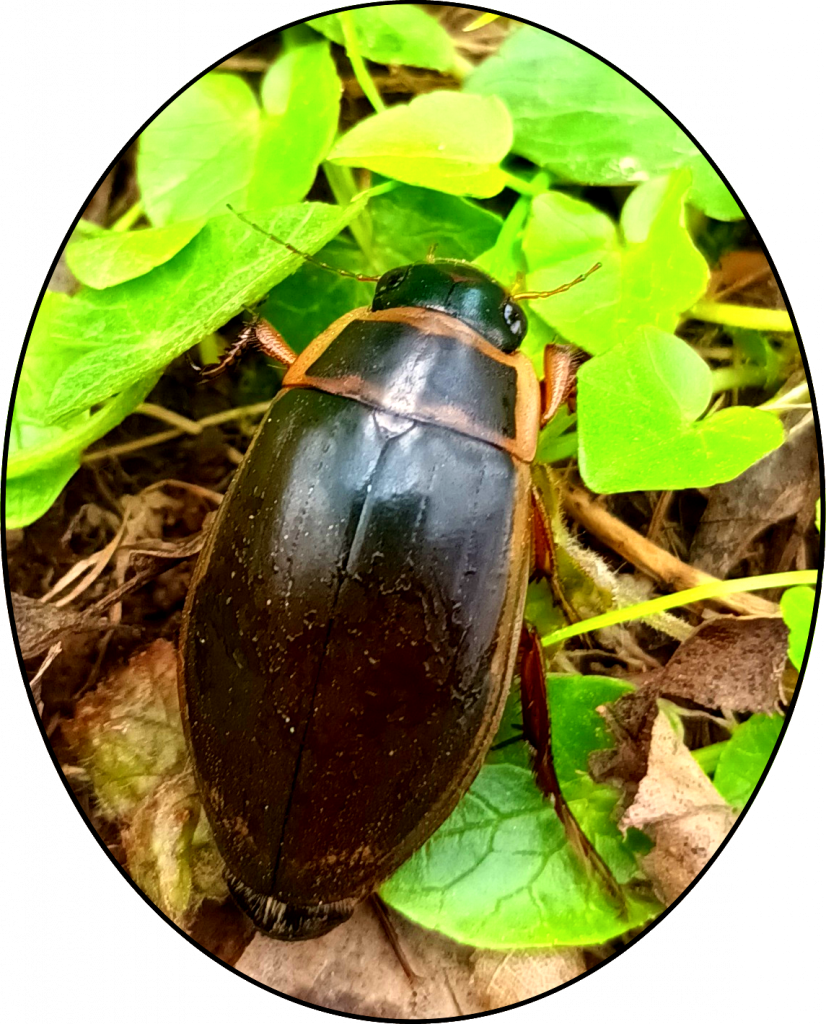
Gelbrandkäfer (Dytiscus marginalis)
Foto: Thomas Rothe